About Us
Science, Technology and Innovation for Real-World Impact
NanoDattum Innovative Solution is a science- and technology-driven initiative dedicated to transforming scientific knowledge into practical, innovative, and sustainable solutions. We work at the intersection of advanced materials, nanotechnology, sustainable technologies, research and development, scientific consulting, and capacity building.
Who Are We
NanoDattum Innovative Solution brings together scientific expertise, technological development, and multidisciplinary collaboration to address research, industrial, environmental, and societal challenges.
Our Mission
To transform scientific knowledge into innovative and sustainable solutions through research, technology development, scientific consulting, collaboration, and capacity building.
Our Vision
To become a recognized platform connecting science, technology, and innovation, with a strong commitment to sustainable development, international collaboration, and scientific capacity building.
Our 6-D Process
01.
Identify
We identify scientific, technological, industrial, and societal challenges that require innovative and evidence-based solutions.
02.
Understand
We analyze the scientific context, available knowledge, technical requirements, and specific needs of each challenge.
03.
Design
We design research strategies, materials, experiments, processes, and technological solutions tailored to the problem.
04.
Develop
We evaluate performance through characterization, experimental validation, data analysis, and scientific evidence.
05.
Translate
We evaluate performance through characterization, experimental validation, data analysis, and scientific evidence.
06.
Validate
We connect research outcomes with real-world applications through technology transfer, consulting, training, collaboration, and innovation.
Why Choose NanoDattum?
Science-driven solutions. Collaborative thinking. Meaningful impact.
Evidence-based approaches grounded in scientific knowledge, rigorous experimentation, and reliable data.
Integration of materials science, chemistry, nanotechnology, engineering, sustainability, and data-driven approaches.
Research and technological strategies designed around the specific needs, challenges, and objectives of each project.
Environmental responsibility and resource efficiency incorporated into the development of materials, processes, and technologies.
Building bridges among researchers, universities, industry, institutions, and communities to accelerate knowledge exchange and innovation.
Strengthening scientific and technological capabilities through training, mentoring, knowledge sharing, and collaborative research.
Our Impact
Growing through science, collaboration, and knowledge.
Research
Collaboration
Capacity Building
Innovation
Let’s Build Solutions Together
Whether you are a researcher, university, company, organization, or innovation-driven institution, let’s explore how science, technology, and collaboration can transform your challenges into meaningful solutions.
Meet Our Team
NanoDattum brings together a multidisciplinary team of scientists and professionals committed to transforming knowledge into practical solutions. Our expertise spans biotechnology, chemistry, materials science, nanotechnology, sustainable technologies, data-driven research, and innovation, creating a collaborative environment where different disciplines converge to address real-world challenges.
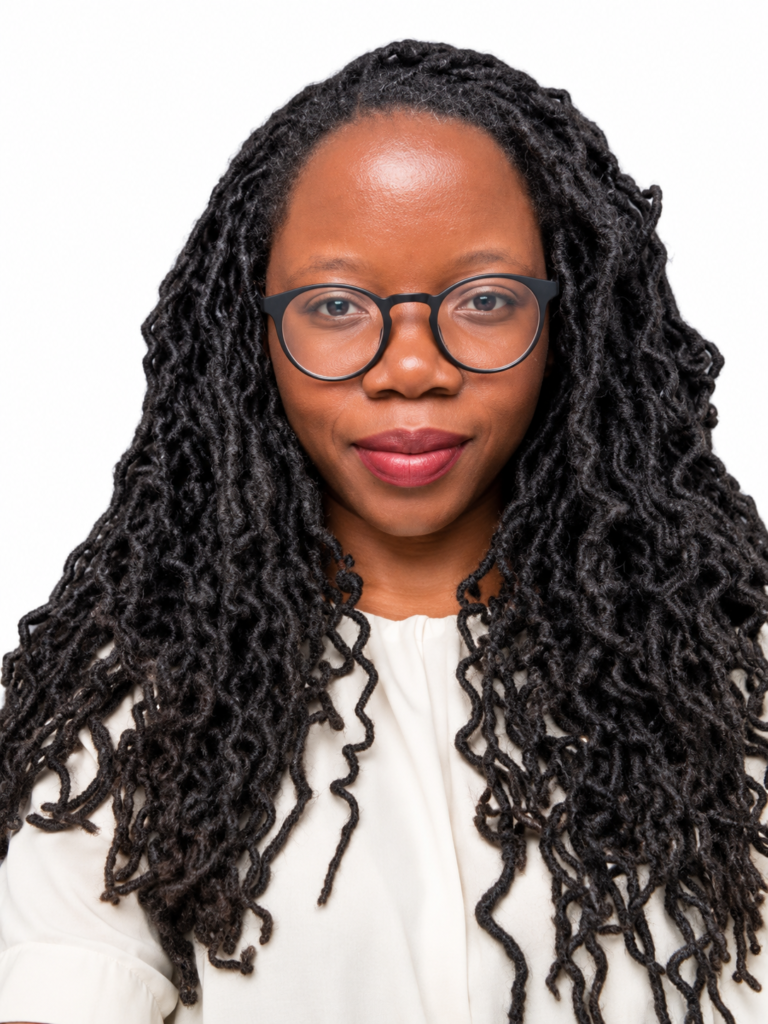
Suzana Lília P. Macuvele
Founder & Managing Director | Biotechnology Researcher
Biologist and biotechnology researcher with expertise in molecular biology, genetics and biodiversity. She holds a Master’s degree in Biotechnology from Eduardo Mondlane University and is currently pursuing a PhD in Biotechnology and Biosciences at the University of Lisbon. Her experience includes research and international cooperation initiatives in Mozambique.
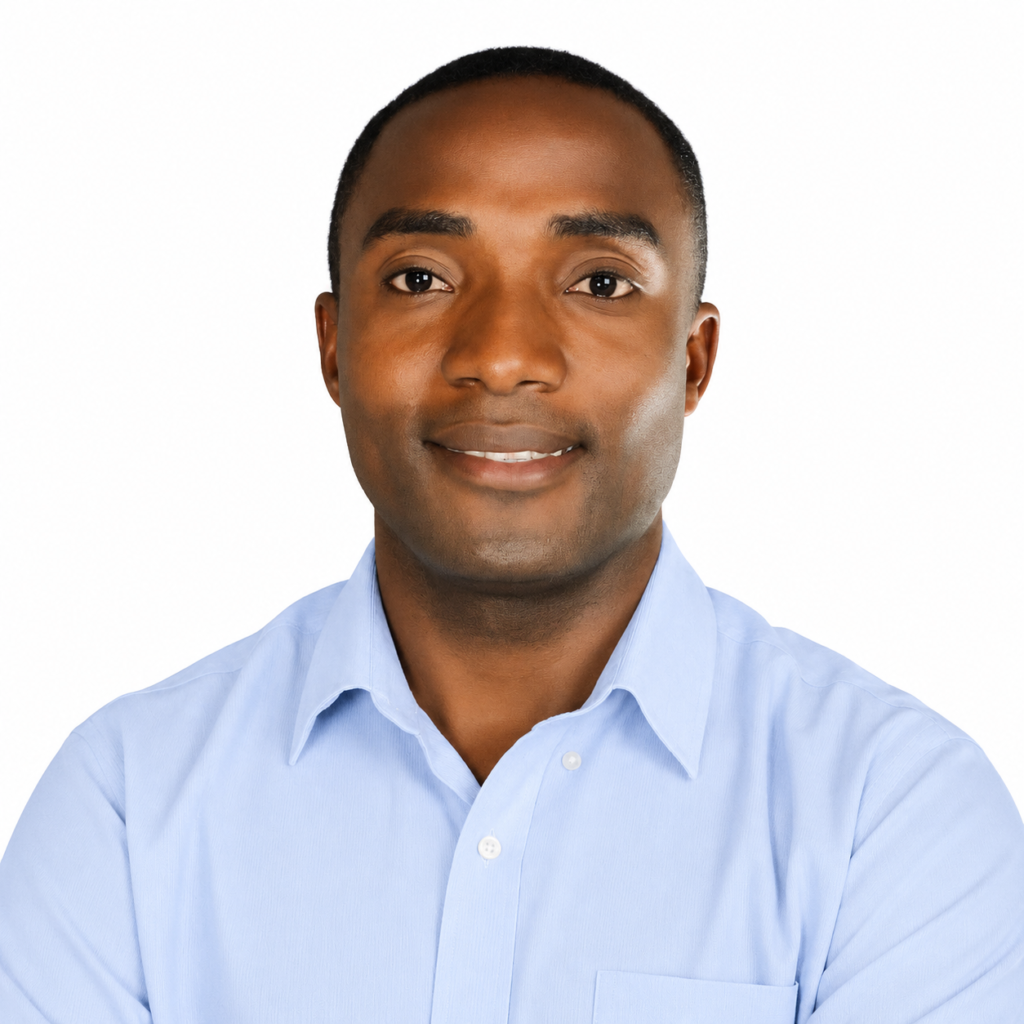
Beni J. M. Chaúque
Environmental Microbiology & Health Technologies Researcher
Beni Jequicene Mussengue Chaúque is a Mozambican researcher with expertise in environmental microbiology, water treatment, parasitology, and health-related technologies. He holds a PhD in Agricultural and Environmental Microbiology from the Federal University of Rio Grande do Sul (UFRGS), where his research has focused on solar-based technologies for water disinfection and contaminant removal. His current research also encompasses free-living amoebae, drug discovery and repurposing, and the development of innovative approaches at the interface of environment and health.
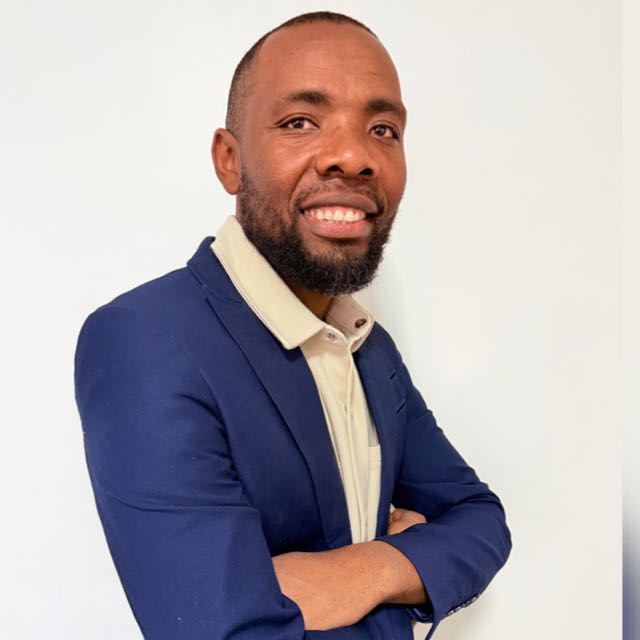
Neuana Fernando Neuana
Biorefinery & Sustainable Materials Researcher
Neuana Fernando Neuana is a Mozambican researcher specializing in biorefinery, sustainable materials, biofuels, and circular technologies. He is a PhD student in Materials Science and Engineering from the Federal University of Santa Catarina (UFSC), with research focused on the recovery of carbohydrates and proteins from Ulva ohnoi for biorefinery and bioproduct applications. His research interests include advanced biofuels, CO₂ capture, carbon credits, sustainable products, bioprocesses, and third-generation ethanol.
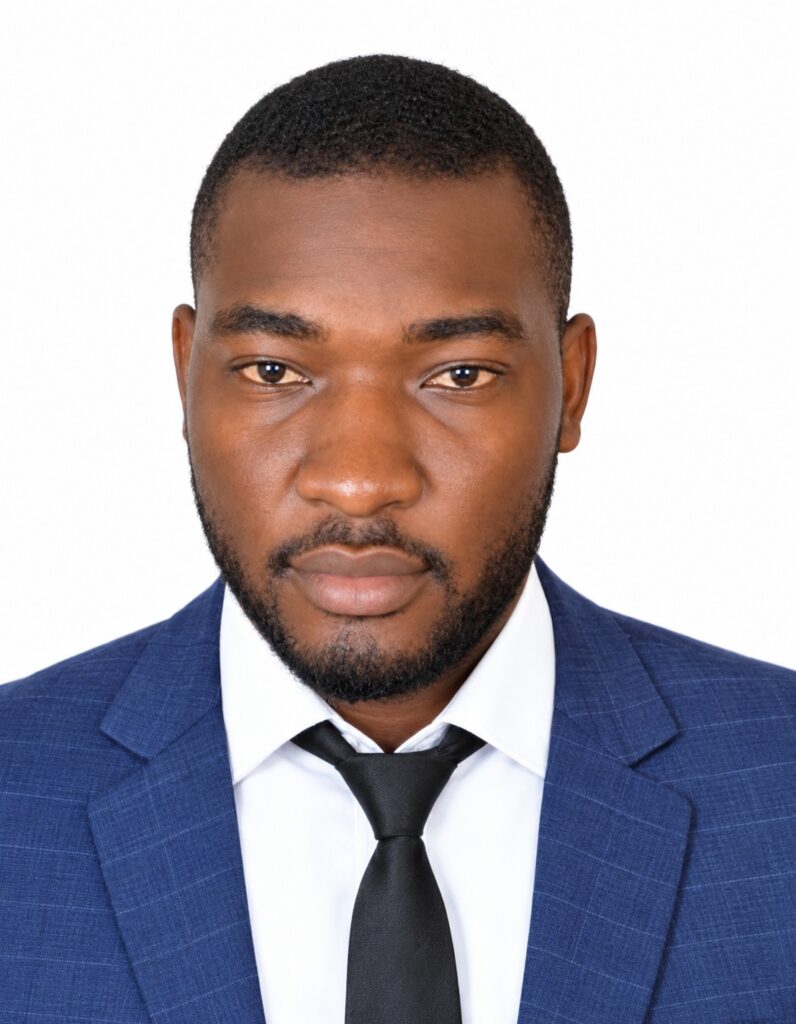
Calton João Dinis
Chemical Engineering & Biomass Conversion Researcher
Calton João Dinis is a Mozambican chemical engineering researcher specializing in biomass conversion, biochar, biofuels, and sustainable agroindustrial technologies. He holds a Master’s degree in Chemical Engineering from the Federal University of Uberlândia (UFU) and is currently pursuing a PhD in Chemical Engineering at UFU. His research focuses on thermochemical conversion of agroindustrial residues, including hydrothermal carbonization and microwave-assisted pyrolysis, with applications in biochar, soil amendment, pollutant adsorption, and sustainable resource recovery.
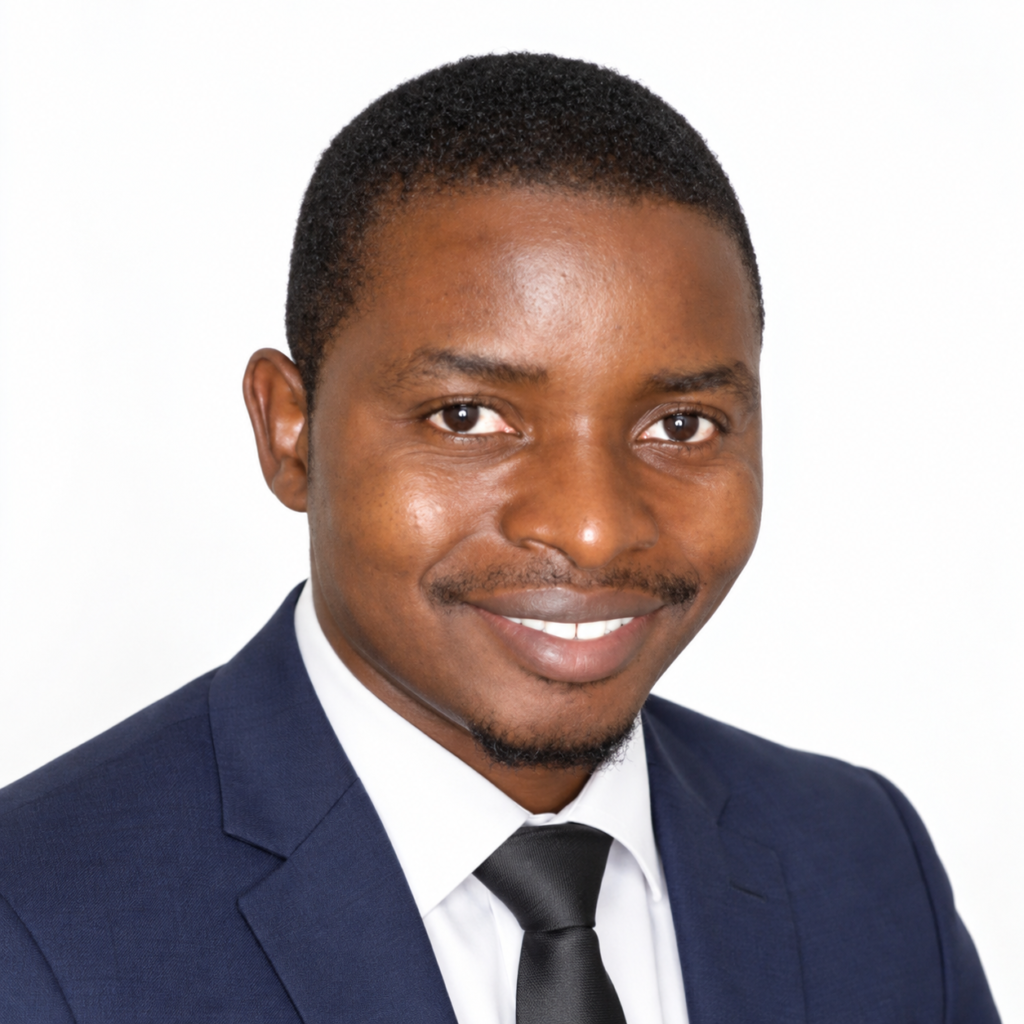
Germildo Juvenal Muchave
Catalysis, Biorefinery & Renewable Fuels Researcher
Germildo Juvenal Muchave is a Mozambican chemical engineer and researcher specializing in catalysis, green chemistry, biorefinery, and renewable fuels. He holds a PhD in Chemical and Biochemical Process Engineering from the Federal University of Rio de Janeiro (UFRJ), where he also completed his postdoctoral research. His work focuses on catalytic conversion of biomass, biofuels and bioproducts, including renewable hydrocarbons, fatty alcohols, biodiesel, and microalgae-based technologies.